Category Archives: food issues

Seven Tips To Cope With Picky Eaters During The Holidays

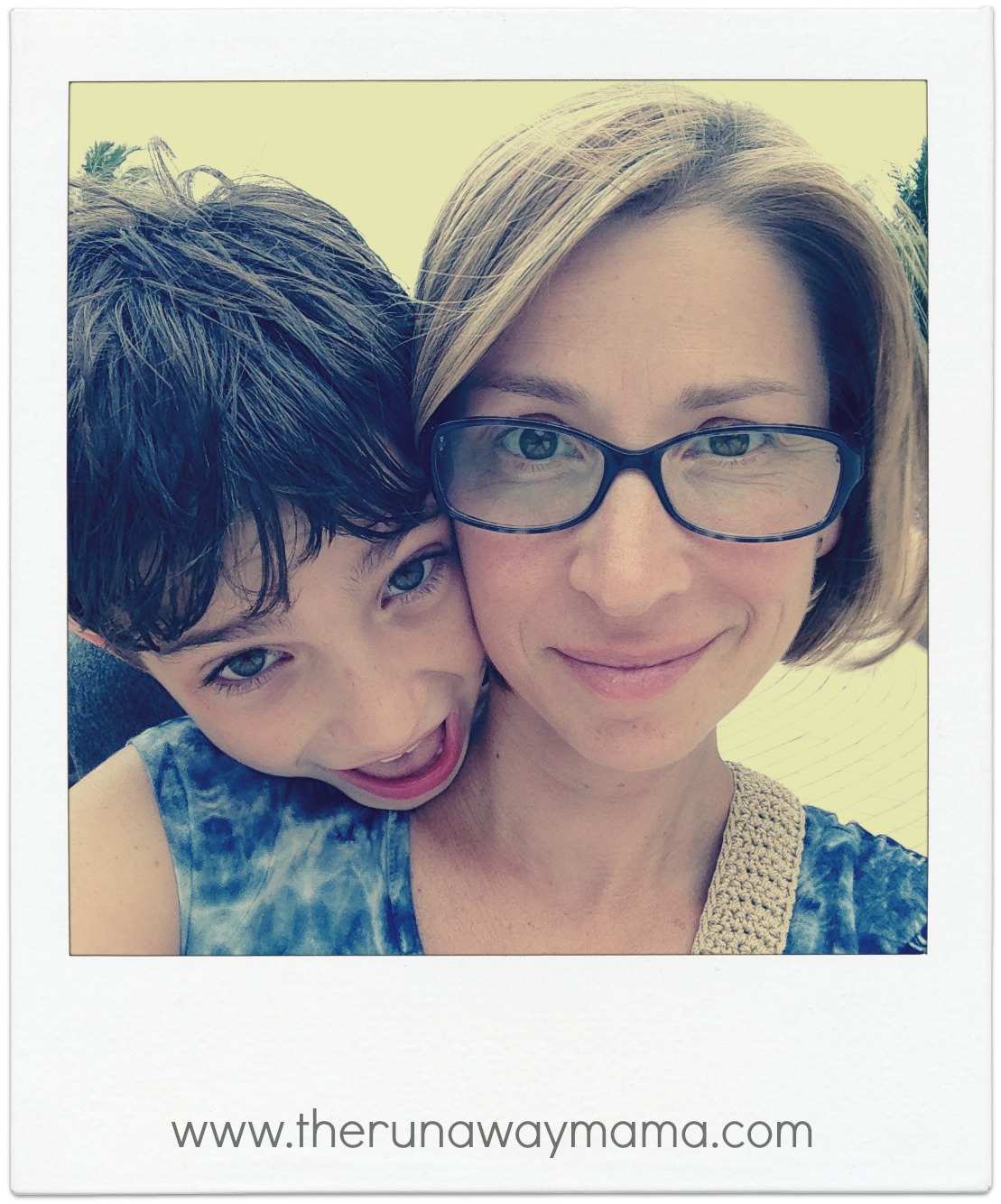
I am the parent of a severe picky eater. Anything, including smell, noise, mood, exhaustion, or environment, can make or break how my son handles a meal. Over the years, we’ve done everything from professional interventions and therapies to recommendations from friends to strategies found online to expand his sensory sensitive palate. Successes (and failures) aside, we’ve learned that methods involving force, bribes, or punishment fail. The tactics that work, or at least keep us sane and give us hope, are those that focus on encouragement, patience, and good old-fashioned optimism.

All that said, keeping it positive is easier said than done. Living with a limited eater in a world that revolves around food is at best difficult and at worst unbearable. I know intimately the angst and dysfunction that can plague mealtime, and the holidays are no exception. I want more than anything for my child to enjoy the feasts of the season, but I also know it’s a terrible time to change expectations, make new demands, or introduce new rules. From one mom to another, here are seven tips to cope with picky eaters during the holidays:

PickyEatersHolidays

1. Prepare to fail if you fail to prepare. Years ago at Weight Watchers meeting, these eight words changed my life. It meant eating an apple before going to a party to avoid binging on cheese or packing snacks for the office to prevent indulging on cookie platters from clients. These days, it means feeding my son a light meal at home before going to a birthday party where pizza (his Kryptonite) will be served or prepping him about what to expect at a Thanksgiving party at school to ease his anxiety.

2. Cook together. My son won’t eat potatoes, but if he helps make latkes, he can interact with the starchy vegetable without pressure or fear. I can talk about different kinds of foods that are made from potatoes, and I can squeeze in a teachable moment about the tradition of cooking foods rich in oil during Hanukkah to symbolize the miracle of the Menorah.

3. Encourage through story telling. Food is about more than just eating. I love to tell my son about his dad and grandfather’s annual gravy battle at Christmas, my mom’s matzo ball soup that has been like medicine since I was a little girl, and the vanilla cake with buttercream frosting that I bake from a recipe handed down three generations from his great grandmother.

4. Pick your battles. A holiday gathering in an unfamiliar setting with new people, strange voices, loud music, and unappealing smells isn’t the time to try a new trick you read about on a blog or a suggestion that your husband’s co-worker’s wife’s sister-in-law swears by. It’s also not the time to take on a harsh “you’ll eat what’s served or you won’t eat at all” attitude. I’ve been there (believe me!), but your child’s stress level is high enough without dealing with your anxiety, too.

5. Put your blinders on but look around first. I’ve been at a party and watched a kid fill a plate with artisanal cheese, mixed olives, shrimp with cocktail sauce, raw vegetables, and sliced medium rare filet drizzled with Bernaise sauce while my kid filled a plate with a mountain of crackers. First, look around. Pint-sized foodies are rare. Chances are there’s at least one other kid (or adult) eating crackers for dinner, too. Then, put your blinders on. Is your child complaining? Is he saying please and thank you? Is he playing nicely with other children? Focus on what he’s doing well instead of comparing him to others and obsessing over what he isn’t eating.

6. Don’t let anyone undermine you. Everyone likes to blame the parent of a picky eater. I was once at a holiday party where my son ate bread for dinner. I decided ahead of time not to feed him a separate meal. Instead, I challenged him to find a desirable food at the party and eat it without complaint. He did it, and I couldn’t have been more proud of him until another dinner guest said, “You’re letting him eat bread for dinner?” Unfortunately, I let her comment derail what I deemed a success moments earlier, which leads me to my final piece of advice.

7. Remember what the holidays are really about. My son knows how much I love cooking and eating, but he also knows that what matters most at any meal is the time we spend connecting and making memories together. What we eat or don’t eat is secondary. Every holiday season, I make it a point – for myself as much as for my son – to reinforce the value of family over food.

From Thanksgiving until New Year’s Day and beyond, there will be countless meals to endure with your picky eater. Take it one carving station at a time, hold on to what truly matters, and savor every victory, no matter how big or small, and especially the ones that involve crackers.

Wishing you a happy, merry, and delicious holiday season,

14 Comments

Filed under food, food issues, holidays, sensory processing disorder

The Invaluable Lesson My Son’s Sensory Processing Disorder Taught Me (Or, Let It Loose Like A Balloon)

invaluablelesson

I never know whether to say my son has or had sensory processing disorder (SPD). It’s been two years since he met all of his occupational therapy goals. His body is healthy and strong, he’s social, smart, and manages new people and environments well, and he’s as normal and ordinary (i.e. peculiar and strange!) as any other seven year old boy.

Now, as we skip easily and happily through most days, it’s hard to believe any of it happened at all. Don’t get me wrong. There are still hurdles. Focus and attention span, visual processing, and food aversions/avoidance are issues we encounter daily. But there’s something very different about our present day sensory challenges.

Me.

I don’t particularly enjoy thinking about everything that was once wrong with my son. In fact, it’s hard for me to go back and read my blog posts from that time period. It’s not that I regret writing them. I’m fortunate that I had the creative outlet to express myself when I felt so isolated in my experience, and I’m grateful that in the process of writing, I connected with other parents dealing with SPD and helped them (and me) feel a little bit less alone. Still, it doesn’t mean I don’t cringe a little bit when I realize just how lost and vulnerable I was.

It’s emotionally and physically uncomfortable to think there was a time – a very real and very difficult time – when my son’s fears of things like “Finding Nemo,” hand dryers, chicken, automatic flushing toilets, pants, the neck hole of shirts, swings, and bounce houses turned our lives upside down. What’s even more painful is how I handled it. I don’t mean to beat myself up. I did the best I could, but, at the time, my best included a lot of anxiety, anger, guilt, and impatience. I wallowed in the setbacks, I feared the victories because the next battle was imminent, I agonized over what I could’ve/should’ve/would’ve done differently, and I worried about everything.

Around this time last year, I had a frantic and irrational conversation with our occupational therapist a few weeks prior to the first day of camp that went something like this:

Me: “I’m not allowed to pack his lunch for camp. He’s going to starve.”

Her: “He’s not going to starve.”

Me: “Yes, he will.”

Her: “He’ll find something to eat.”

Me: “No, he won’t.”

Her: “Let him figure it out.”

I followed her advice (as best as I could), and, as usual, she was right. He ate a peanut butter sandwich for lunch every day for six weeks, and if anyone asked him about camp, he said it was the best summer ever. Period.

Recently, something extraordinary happened. My husband and I took the kids bowling. That’s not the extraordinary part, although it was astonishing (we’re not the family that bowls together type). The extraordinary part was when my sensory eater unexpectedly tasted a French fry. A French fry! A few years ago, I would’ve flipped out. I would’ve cried, cheered, begged him to eat more, and fantasized about ordering French fries at restaurants all over the world. Then, I would’ve been heartbroken when he refused to take another bite or said, “I don’t like it” (after one teeny taste). This time, I was overwhelmed with pride and hope, but I simply said, “That’s awesome. French fries are awesome. You’re awesome.” Then, we continued bowling.

He didn’t taste another French fry for the rest of the night, but it was okay because I appreciated the moment. I didn’t drown in anxiety about the time before or after he tasted the French fry. I just relished the singular moment in which he did.

It’s not entirely accurate to say that I’m what’s different about our present day sensory challenges. My son is different, too. He was two years old when we first noticed oddities, or symptoms, of what would take almost three years to finally diagnose as SPD. He was a baby! Now, that little boy is a whopping seven years old (if you ask him, almost eight), and he has as much power to make choices for himself as I have the power to accept each one of them without dwelling on what came before or what happens next.

When he started camp this summer, I was way more worried about him tying his sneaker laces all day than eating too many peanut butter sandwiches. In fact, he surprised me one afternoon with the news that he ate a cheese quesadilla for lunch. A cheese quesadilla! I felt as giddy and lightheaded as the night he tasted the French fry at the bowling alley, but I simply gave him a calm and composed high five and asked him about the rest of his day.

As we plow ahead into adolescence, the conundrum of whether or not my son had or has SPD and the mystery of whether or not he’ll ever eat another French fry or cheese quesadilla (or fill in the blank) again is far less important than the invaluable lesson we’ve both learned along the way, which is to take each moment – good or bad – as it comes and then let it loose like a balloon in the sky and watch it float up and away until the next one comes along.

SensoryBlogHop


CLICK HERE TO READ OTHER POSTS IN THE SENSORY BLOG HOP:

13 Comments

Filed under camp, food issues, sensory processing disorder